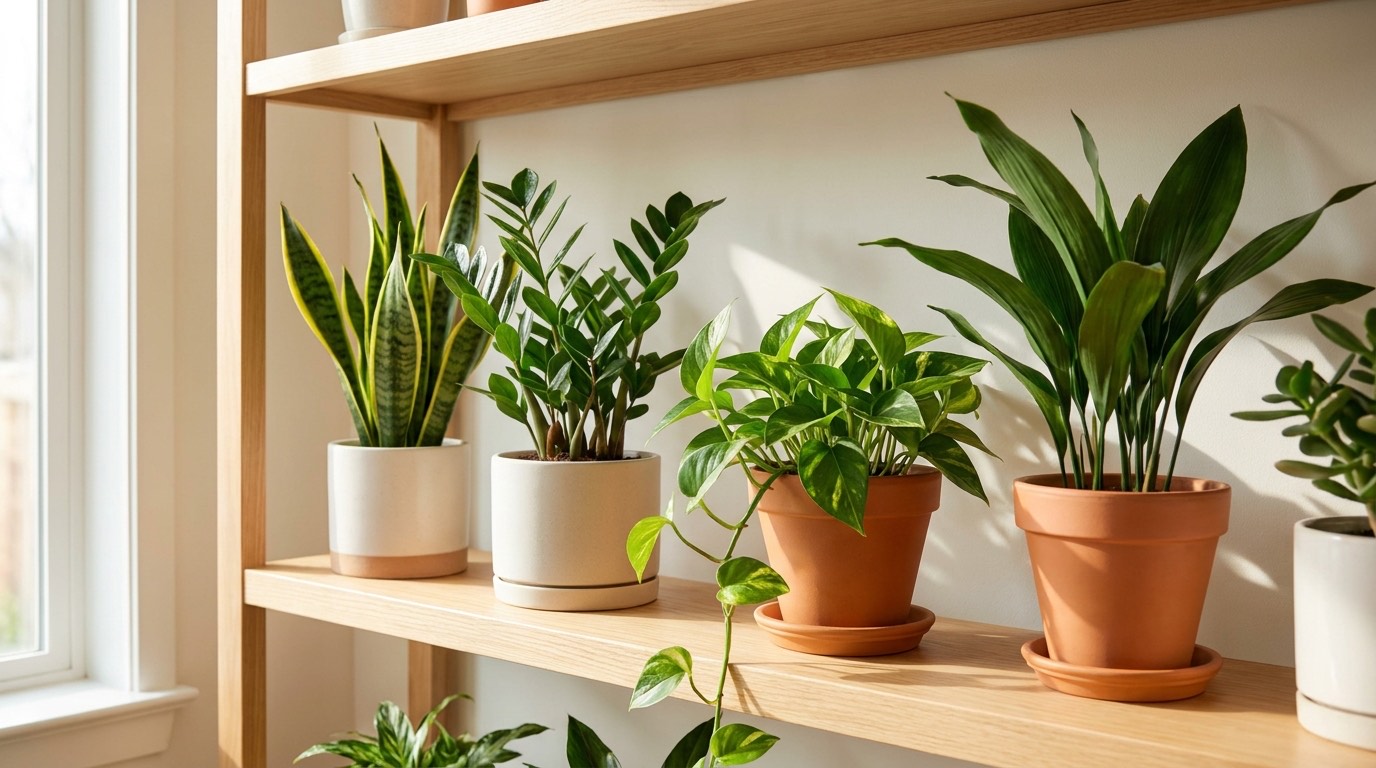
Almost nobody kills houseplants on purpose. They die from love — too much water, usually — or from being stuck in a dark corner and forgotten. The good news is that some plants shrug off both. This list is the toughest of the tough: plants that survive low light, dry spells, and the learning curve of a first-time plant parent.
Every one of these is widely sold at US garden centers and even grocery stores, and none needs anything fancier than a windowsill and occasional water.
The one habit that saves houseplants
More houseplants die from overwatering than everything else combined. Before you water any plant on this list, stick a finger an inch into the soil. Dry? Water. Still damp? Wait. That single check will keep almost all of these alive.
1. Snake plant (Sansevieria)
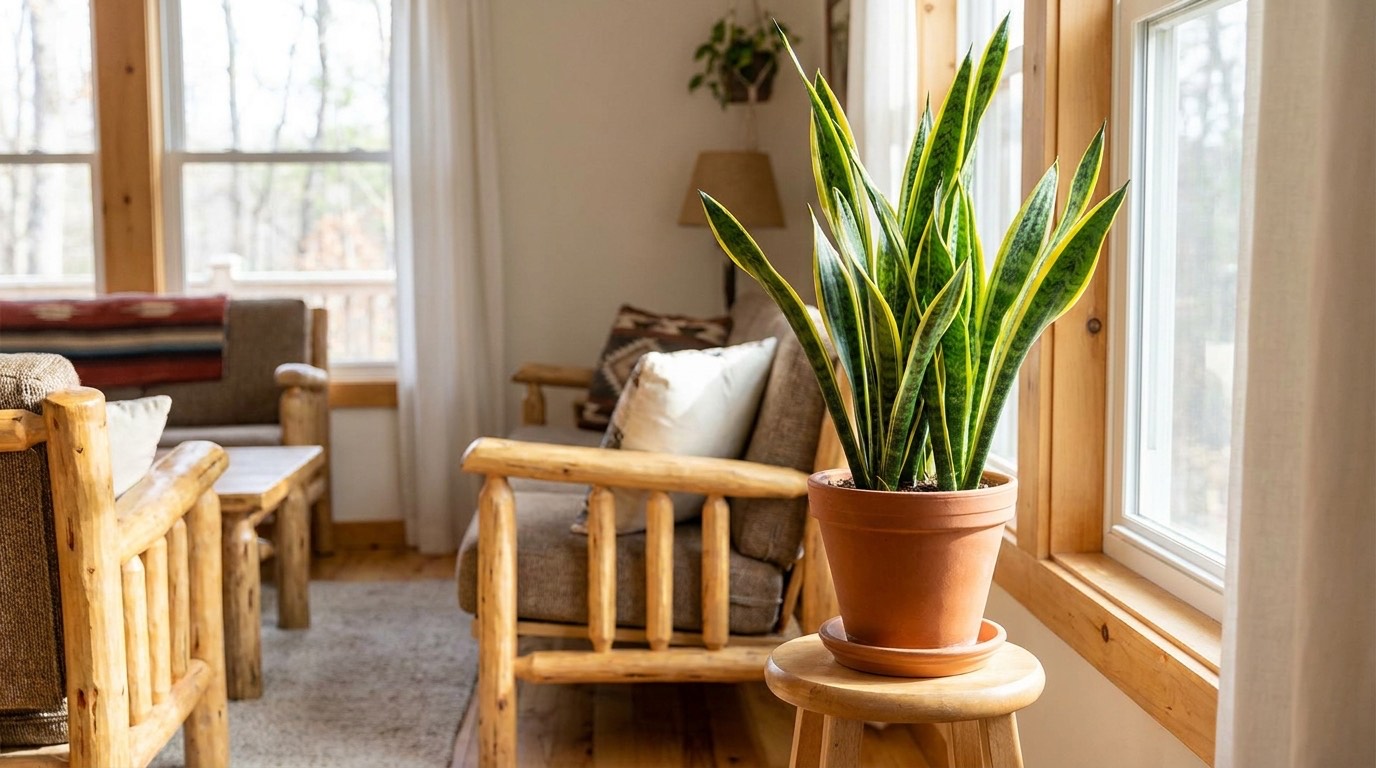 How to grow Snake Plant
The undisputed champion of neglect. Snake plants tolerate low light, dry air, and watering as rarely as once a month. Their stiff, upright leaves look modern anywhere, and they're on NASA's list of air-cleaning plants. The only way to kill one is to overwater it, so err on the side of forgetting.
2. Pothos
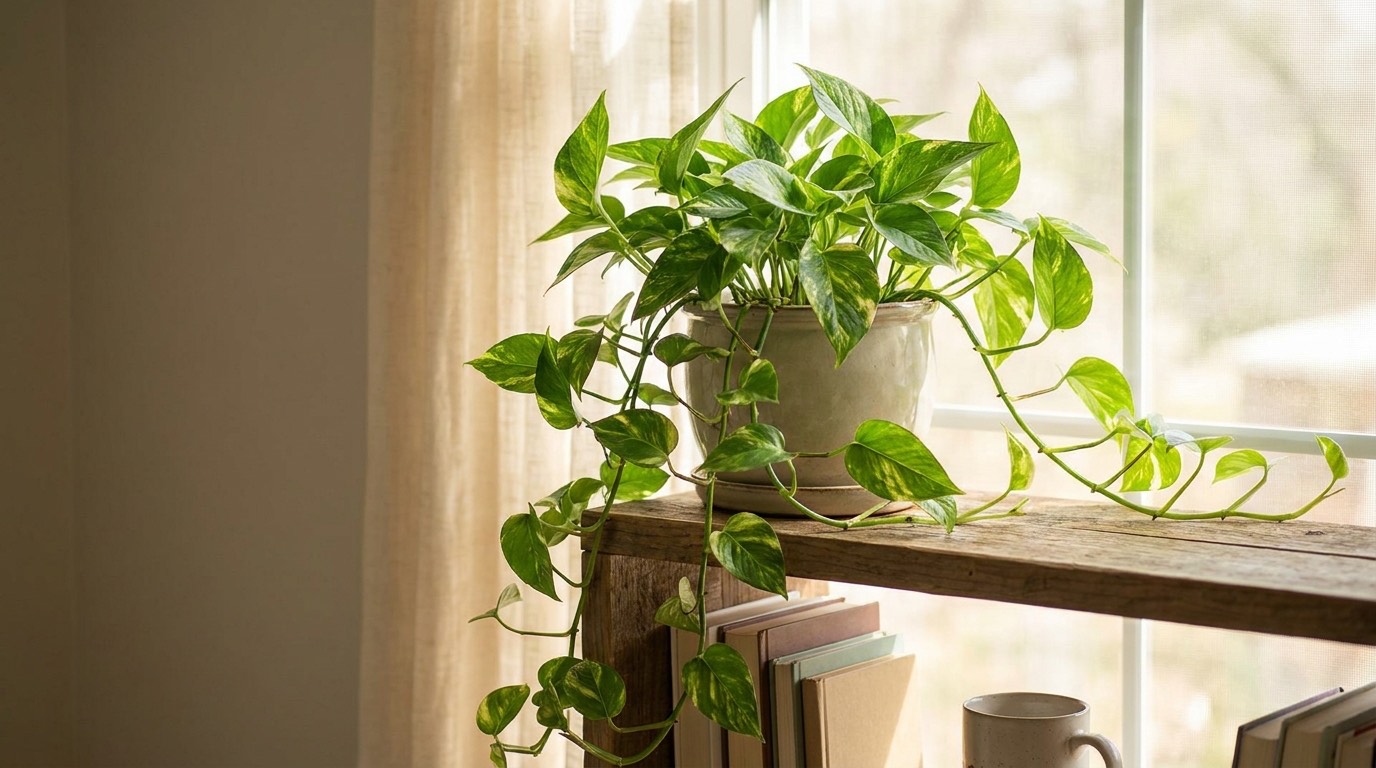 How to grow Pothos
A trailing vine with glossy heart-shaped leaves that grows in almost any light — including a north-facing room or a bathroom. It tells you when it's thirsty by drooping slightly, then perks right back up after a drink. Snip a piece, put it in water, and it roots itself for free.
3. ZZ plant (Zamioculcas)
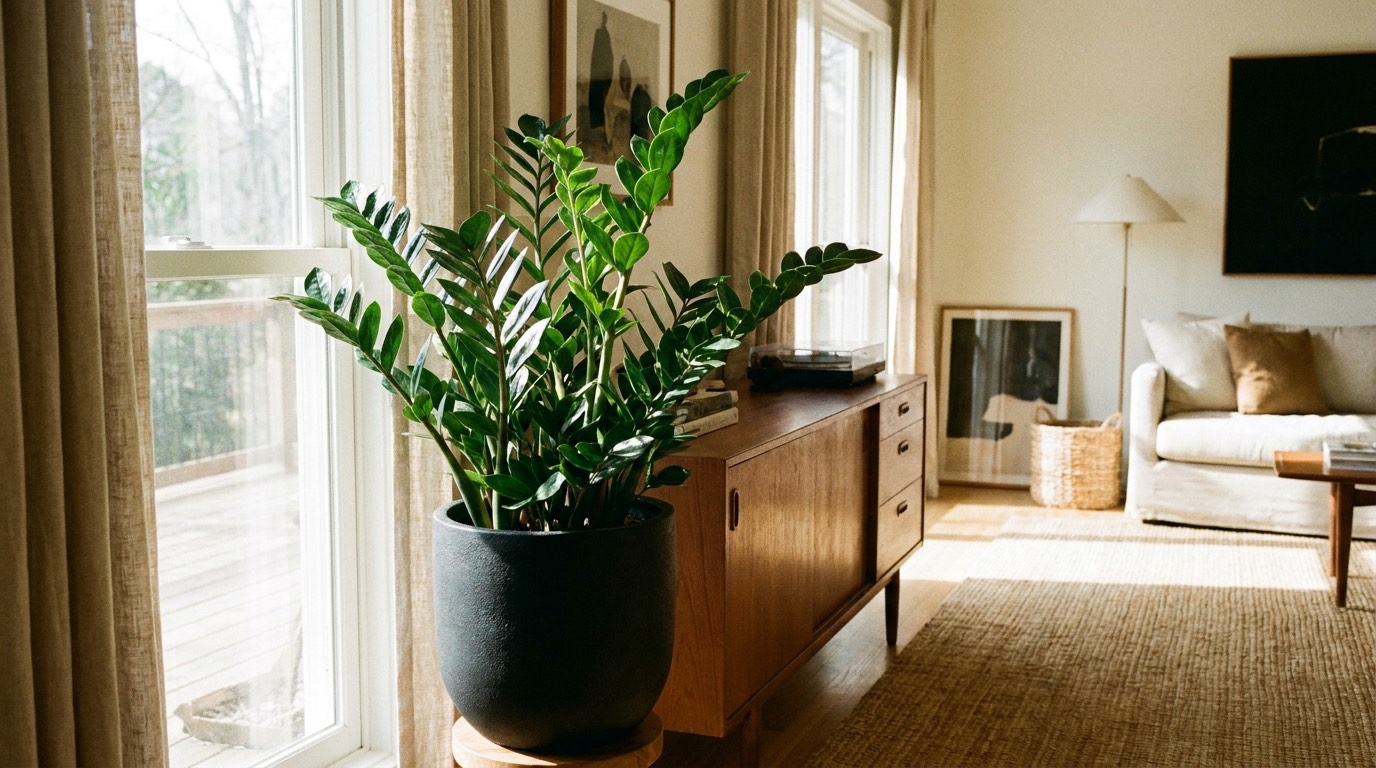 How to grow Zz Plant
Waxy, deep-green leaves and near-total indifference to how you treat it. The ZZ plant stores water in thick underground rhizomes, so it handles weeks without water and dim light without complaint. Perfect for an office desk or a low-light hallway.
4. Spider plant
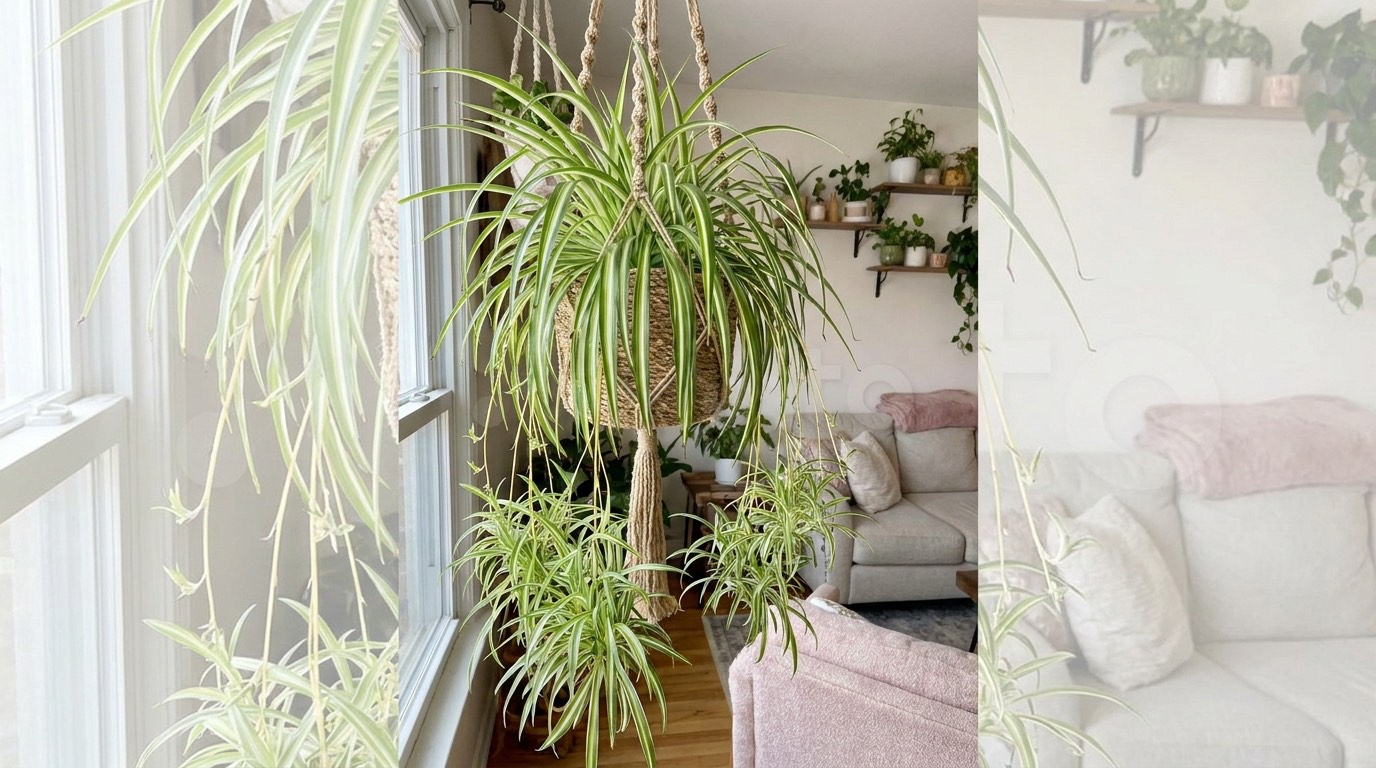 How to grow Spider Plant
Fast, cheerful, and famously easy, the spider plant sends out baby plantlets on long stems that you can snip off and pot up. It likes bright, indirect light but tolerates less, and it bounces back quickly if you let it dry out too long. Safe around cats and dogs, too.
5. Peace lily
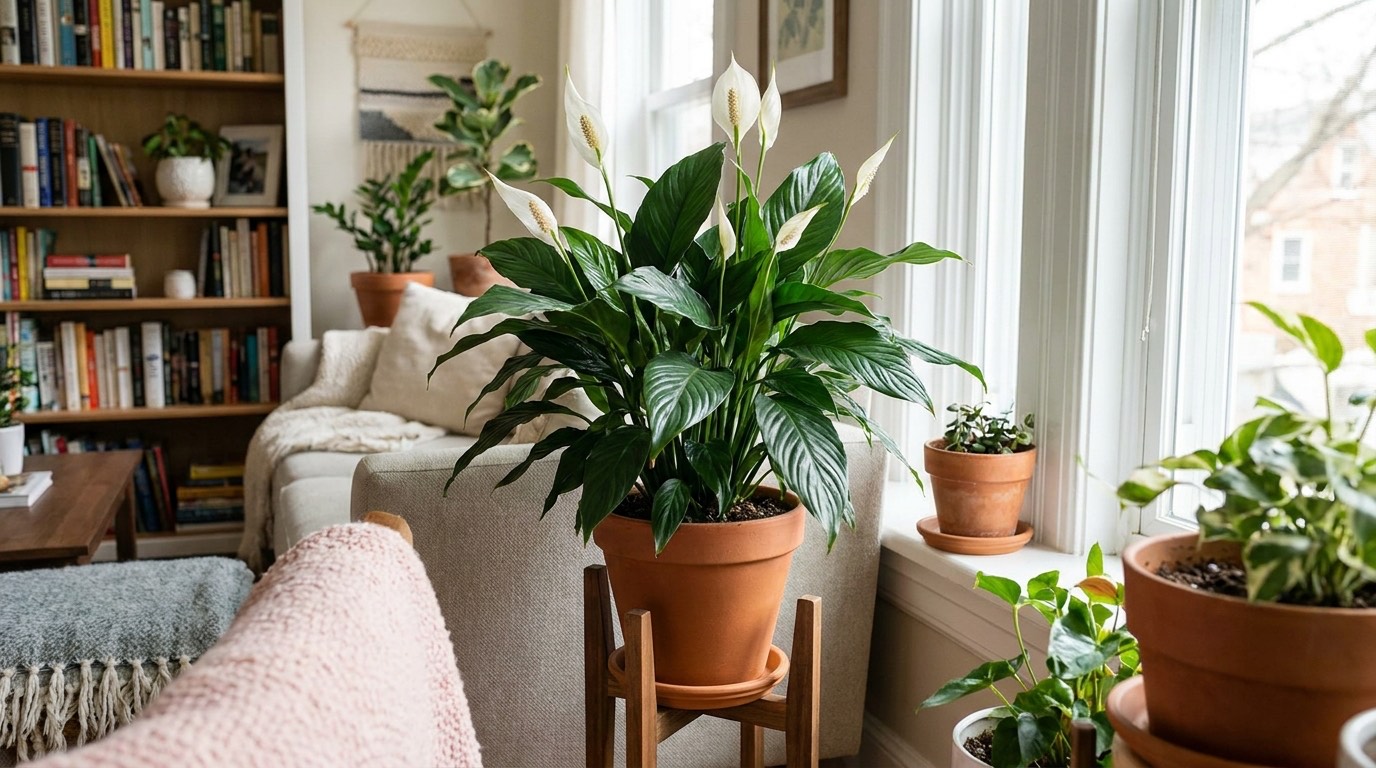 How to grow Peace Lily
The peace lily is the drama queen that's still hard to kill — when it's thirsty, it wilts dramatically, then recovers within hours of watering. It flowers in low to medium light and forgives inconsistent care. If leaves brown at the tips, it usually wants less direct sun or filtered water.
6. Philodendron (heartleaf)
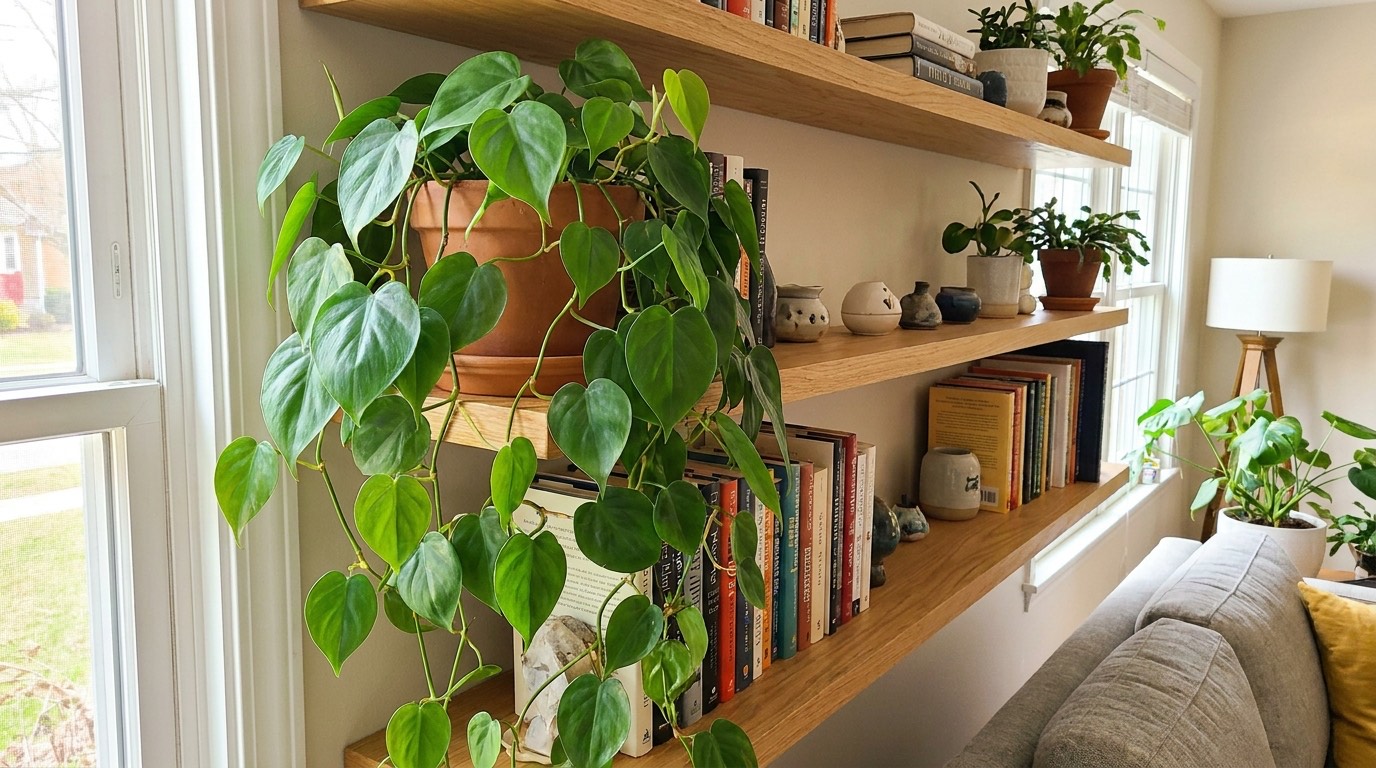 How to grow Philodendron
Similar to pothos and just as forgiving — a trailing vine that grows happily in low to medium light and doesn't mind if you forget it now and then. Easy to propagate, quick to grow, and impossible to make look bad.
7. Aloe vera
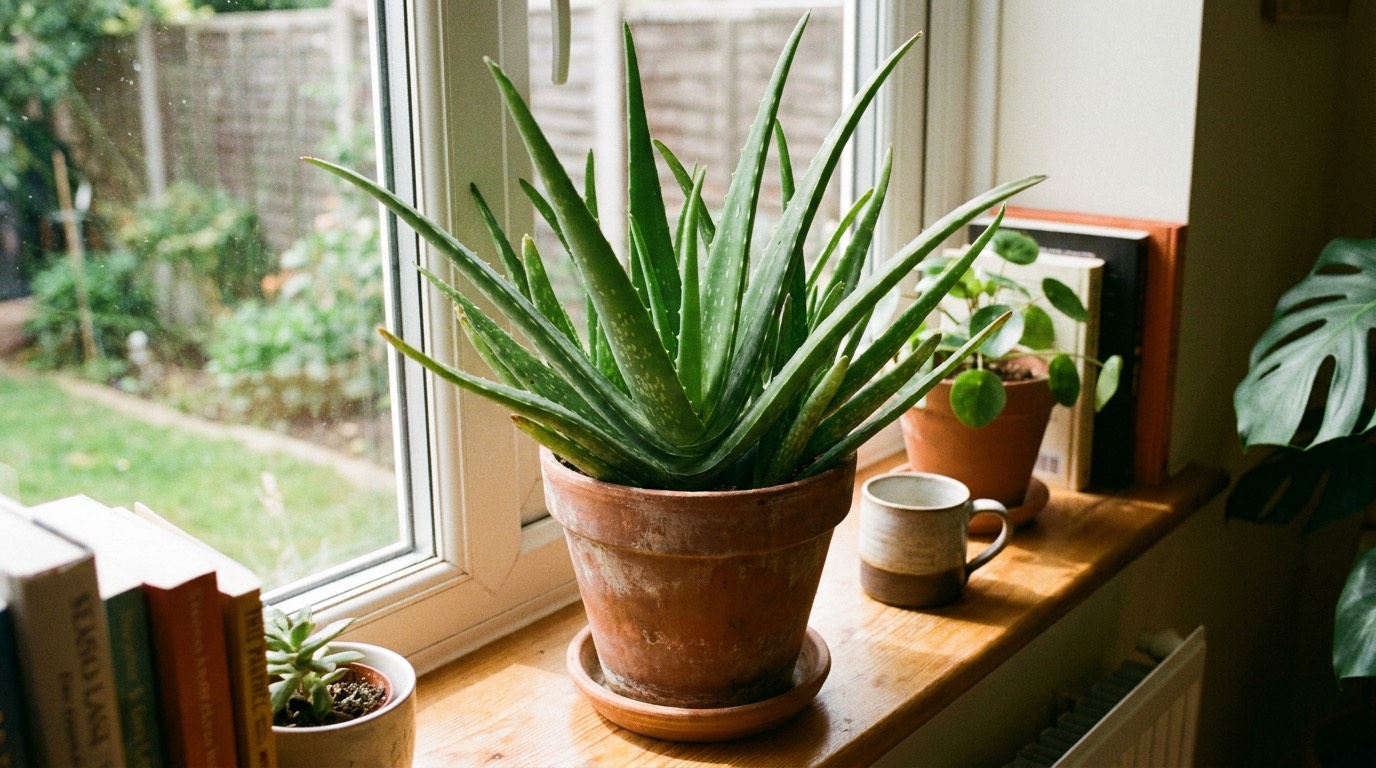 How to grow Aloe Vera
A succulent that wants exactly what beginners tend to give it: bright light and infrequent water. Aloe stores water in its plump leaves, so it prefers to dry out fully between drinks. Bonus: the gel inside soothes minor kitchen burns.
8. Cast iron plant (Aspidistra)
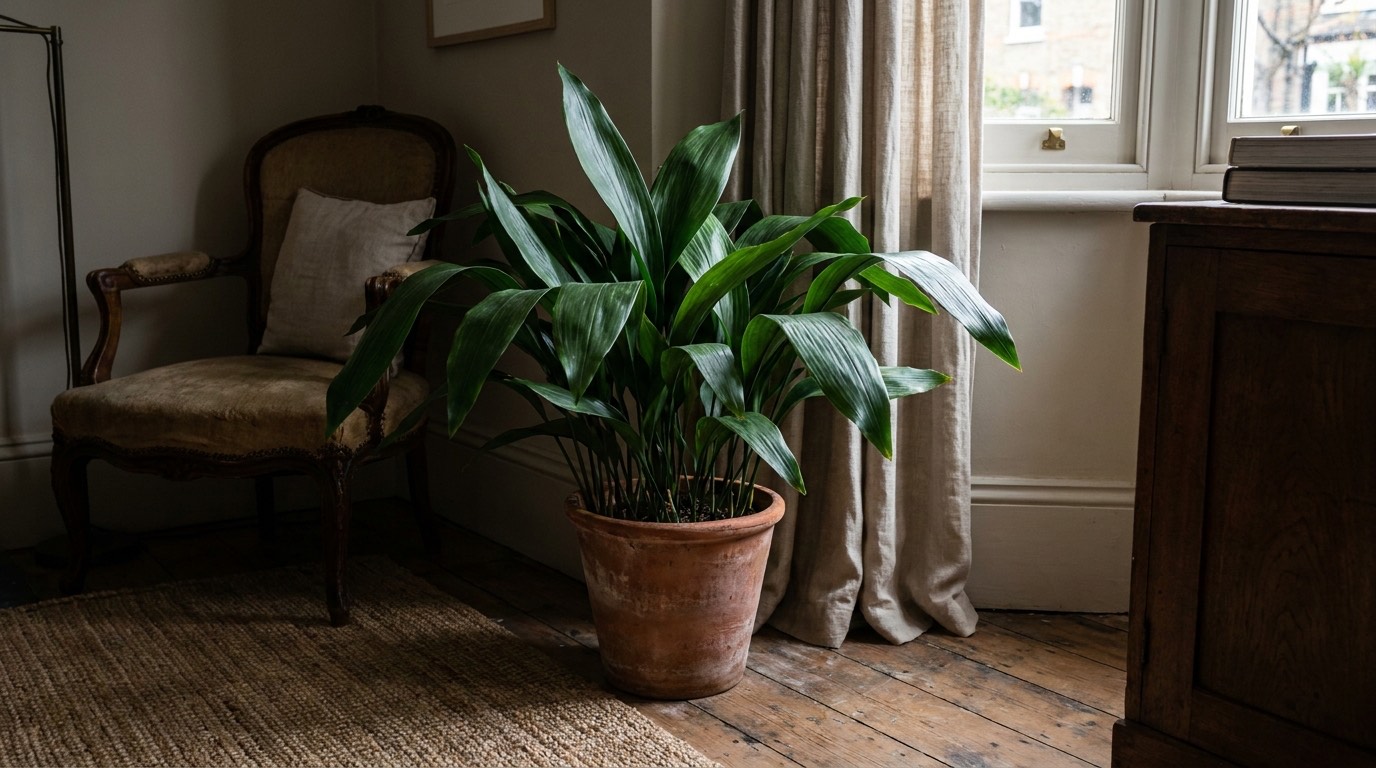 How to grow Cast Iron Plant
Named for its toughness. The cast iron plant survives deep shade, temperature swings, and long stretches of neglect that would finish off most plants. It's slow-growing, but its broad dark leaves are nearly indestructible — ideal for that dim corner nothing else will tolerate.
9. Rubber plant (Ficus elastica)
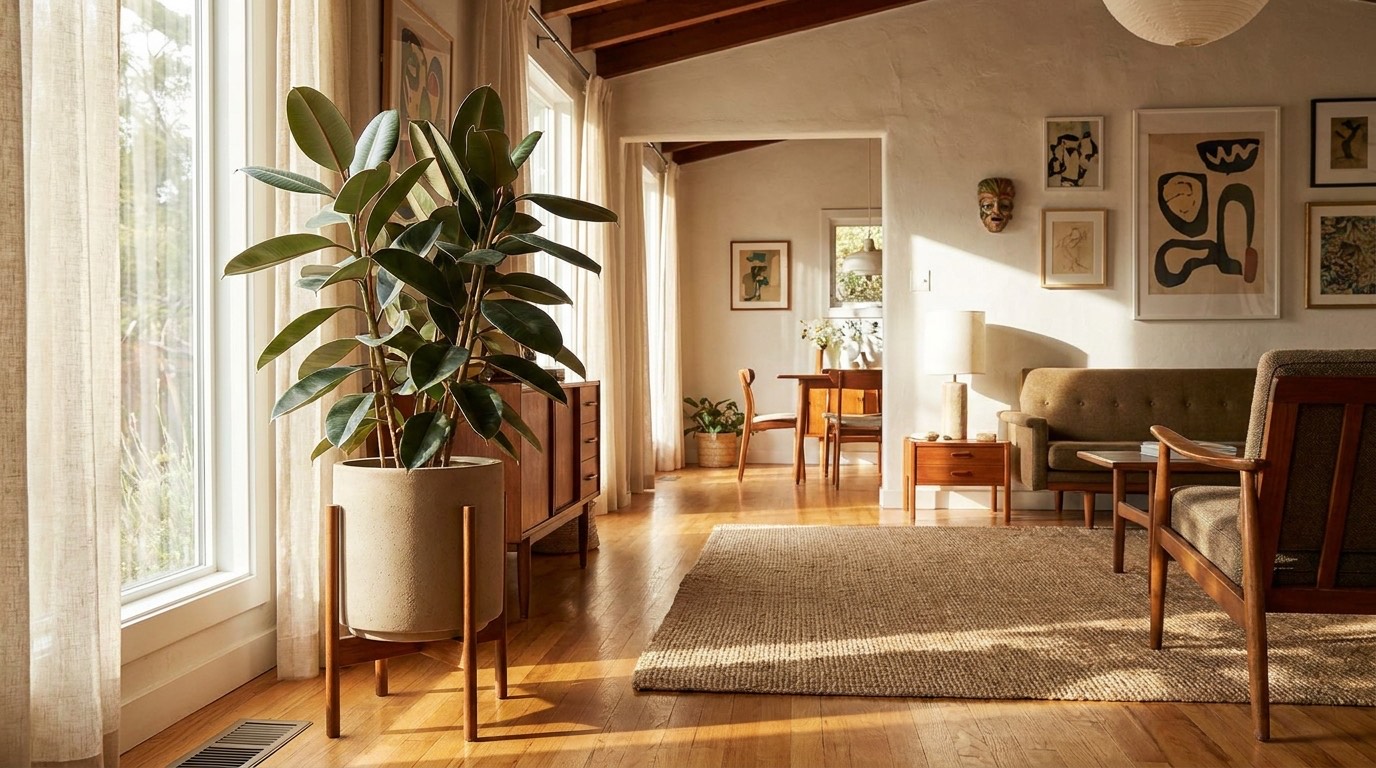 How to grow Rubber Plant
If you want something with more height and presence, the rubber plant grows into a small indoor tree with thick, glossy leaves. It likes bright, indirect light and only occasional watering. Wipe the leaves now and then so they can breathe and shine.
10. Chinese evergreen (Aglaonema)
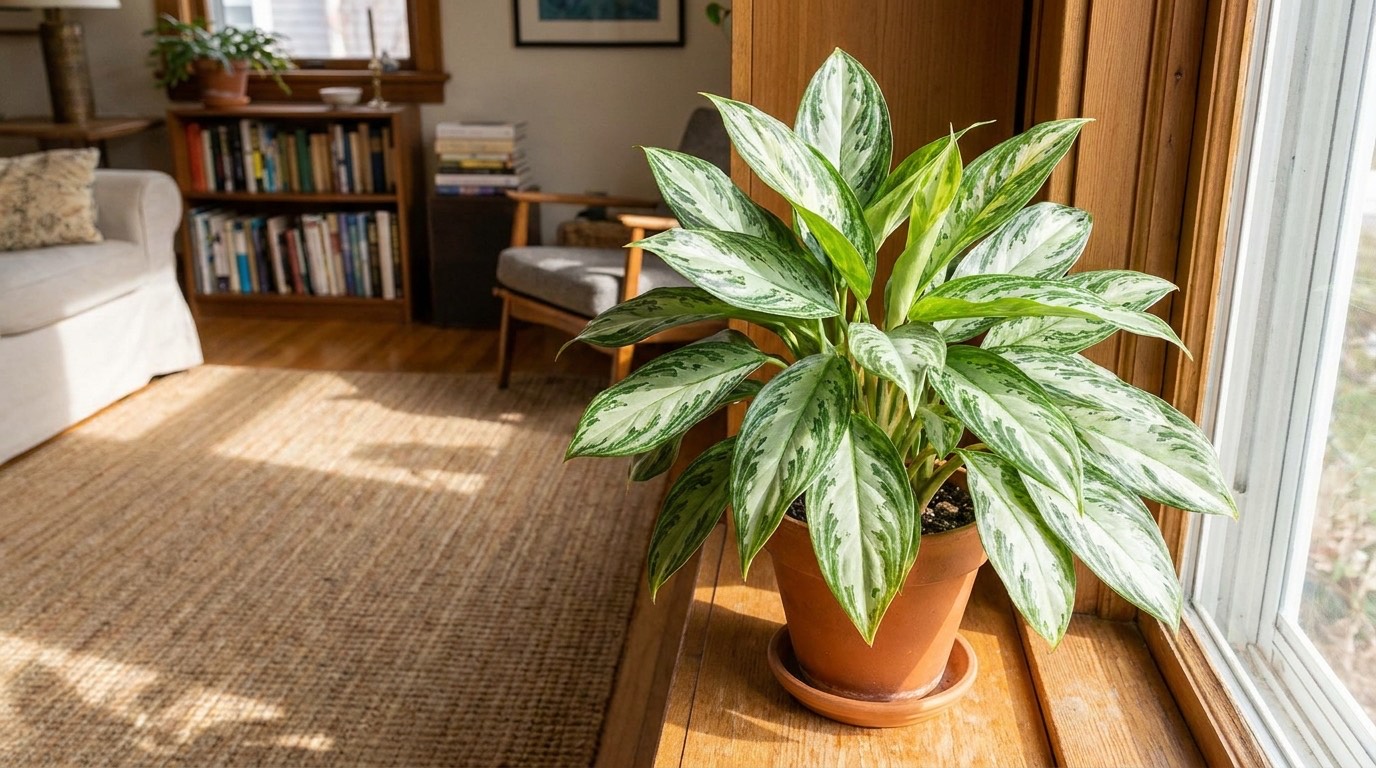 How to grow Chinese Evergreen
Striking patterned leaves in silver, green, and even pink, on a plant that tolerates low light and irregular watering. The Chinese evergreen is one of the most forgiving "decorative" houseplants — it looks like it needs fussing over, but it really doesn't.
How to keep any of these alive
- Underwater, don't overwater. When in doubt, wait a day. Damp soil = wait.
- Use pots with drainage holes, and never let a plant sit in a saucer of water.
- Match the plant to the light you actually have — most of these take low light, but all grow better in bright, indirect light.
- Don't repot or relocate constantly. Let a new plant settle for a few weeks before fussing.
A note on pets
Several plants on this list — peace lily, pothos, philodendron, ZZ, and snake plant — are toxic if chewed by cats or dogs. If you have curious pets, stick to the pet-safe options here (spider plant) or keep the others well out of reach.
Frequently Asked Questions
What is the hardest houseplant to kill?
The snake plant (Sansevieria) is the most forgiving — it tolerates low light, dry air, and being watered as little as once a month. The main way to harm it is overwatering.
What houseplants are safe for cats and dogs?
The spider plant is a good pet-safe choice on this list. Several popular houseplants — peace lily, pothos, philodendron, ZZ, and snake plant — are toxic if chewed, so keep those out of reach.
How often should I water low-maintenance houseplants?
Most of these want infrequent water — let the top inch or two of soil dry out first. When in doubt, wait a day; more houseplants die from overwatering than anything else.