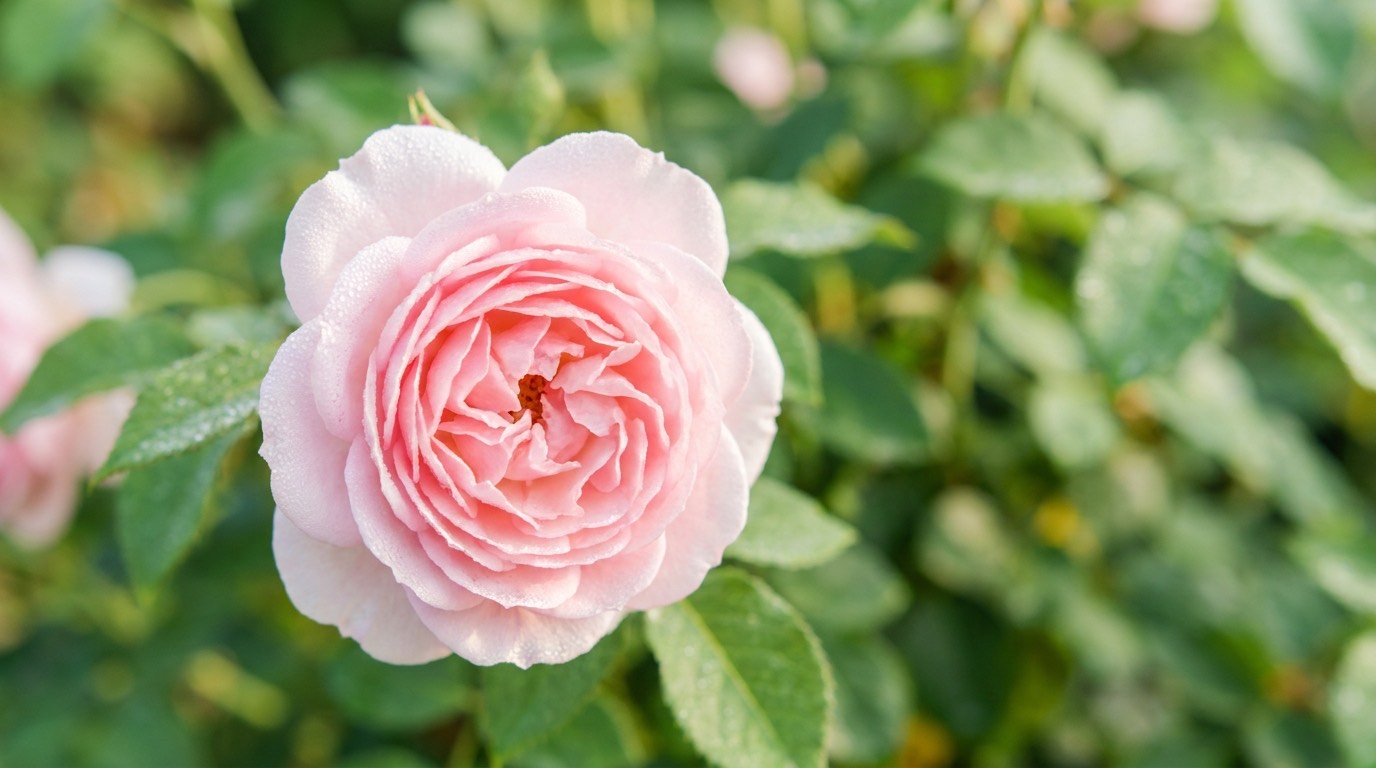
Roses seem intimidating — all that talk of pruning, spraying, and finicky care. But the truth is that today's roses are far tougher than their reputation, and a handful of simple habits will get you armfuls of blooms. Choose an easy variety, give it sun and water, and roses are genuinely beginner-friendly.
Here's how to grow them with confidence.
Start with the right rose
Much of the "roses are hard" reputation comes from older, disease-prone varieties. Look for landscape or shrub roses labeled disease-resistant — series like Knock Out, Drift, or any rose that's earned an "Easy" or AGM award. The right variety does half the work for you.
Where to plant
Roses have two non-negotiables:
- Full sun — at least 6 hours of direct sunlight a day. More sun means more flowers and fewer disease problems.
- Good air circulation — space plants so air moves between them, which keeps leaves dry and disease away.
Give them rich, well-draining soil. If your soil is heavy clay or pure sand, work in a few inches of compost first — see how to improve your garden soil.
Planting
Plant roses in spring or fall:
- Dig a hole about twice as wide as the root ball.
- Mix a few handfuls of compost into the removed soil.
- Set the plant so the graft union (the knobby swollen point where the top meets the roots) sits at or just above soil level in warm climates, or 1–2 inches below in cold-winter areas.
- Backfill, firm the soil, and water deeply.
- Mulch around the base — but keep mulch a few inches away from the stems.
Watering
Roses are thirsty. Water deeply once or twice a week rather than a little every day — you want the water reaching deep roots. Aim for the equivalent of about 1–2 inches a week, more in heat.
Crucially, water at the base, not over the leaves. Wet foliage invites black spot and mildew. A soaker hose or a slow trickle at ground level is ideal, and morning is the best time to water. Our watering guide covers the deep-and-infrequent approach in more detail.
Feeding
Roses are hungry plants and reward feeding with more blooms. Feed:
- In early spring as new growth starts.
- Again after the first flush of flowers.
- Stop feeding 6–8 weeks before your first frost so new growth isn't damaged by cold.
Use a fertilizer formulated for roses, or a balanced feed with compost. See fertilizer basics if the numbers on the bag confuse you.
Deadheading and pruning
Two simple habits keep roses blooming:
- Deadhead spent flowers through the season to trigger more blooms — cut back to the first set of healthy leaves. (Full method in how to deadhead flowers.)
- Prune once a year in late winter or early spring: remove dead, damaged, or crossing stems, and cut the plant back by about a third to an outward-facing bud. Don't fear it — roses are vigorous and bounce back.
Growing roses in five points
- Choose a disease-resistant variety — it does half the work.
- Full sun, 6+ hours, with good airflow.
- Water deeply at the base, never over the leaves.
- Feed in spring and after the first bloom.
- Deadhead all season and prune once in late winter.
Common problems
- Black spots on yellowing leaves (black spot) — a fungal disease. Water at the base, improve airflow, remove affected leaves, and choose resistant varieties.
- White powdery coating (powdery mildew) — improve air circulation and avoid wetting the foliage.
- Aphids on new buds — blast them off with water or use insecticidal soap. See common garden pests.
- Few flowers — usually too little sun, or too much nitrogen fertilizer pushing leaves over blooms.
Frequently Asked Questions
Are roses hard to grow for beginners?
Not anymore. Modern disease-resistant shrub and landscape roses are tough and forgiving. If you give them full sun, water deeply at the base, and deadhead through the season, they'll bloom reliably with very little fuss.
How often should I water roses?
Water deeply once or twice a week rather than lightly every day, aiming for about 1–2 inches of water per week and more in hot weather. Always water at the base of the plant in the morning to keep the leaves dry and prevent disease.
When should I prune my roses?
Prune once a year in late winter or early spring, just as the buds begin to swell. Remove any dead, damaged, or crossing stems and cut the plant back by about a third. Deadhead spent blooms throughout the growing season for more flowers.
Why won't my roses bloom?
The most common reasons are too little sunlight (they need at least 6 hours) and too much nitrogen fertilizer, which encourages leaves instead of flowers. Deadheading spent blooms and feeding with a rose fertilizer also help keep them flowering.