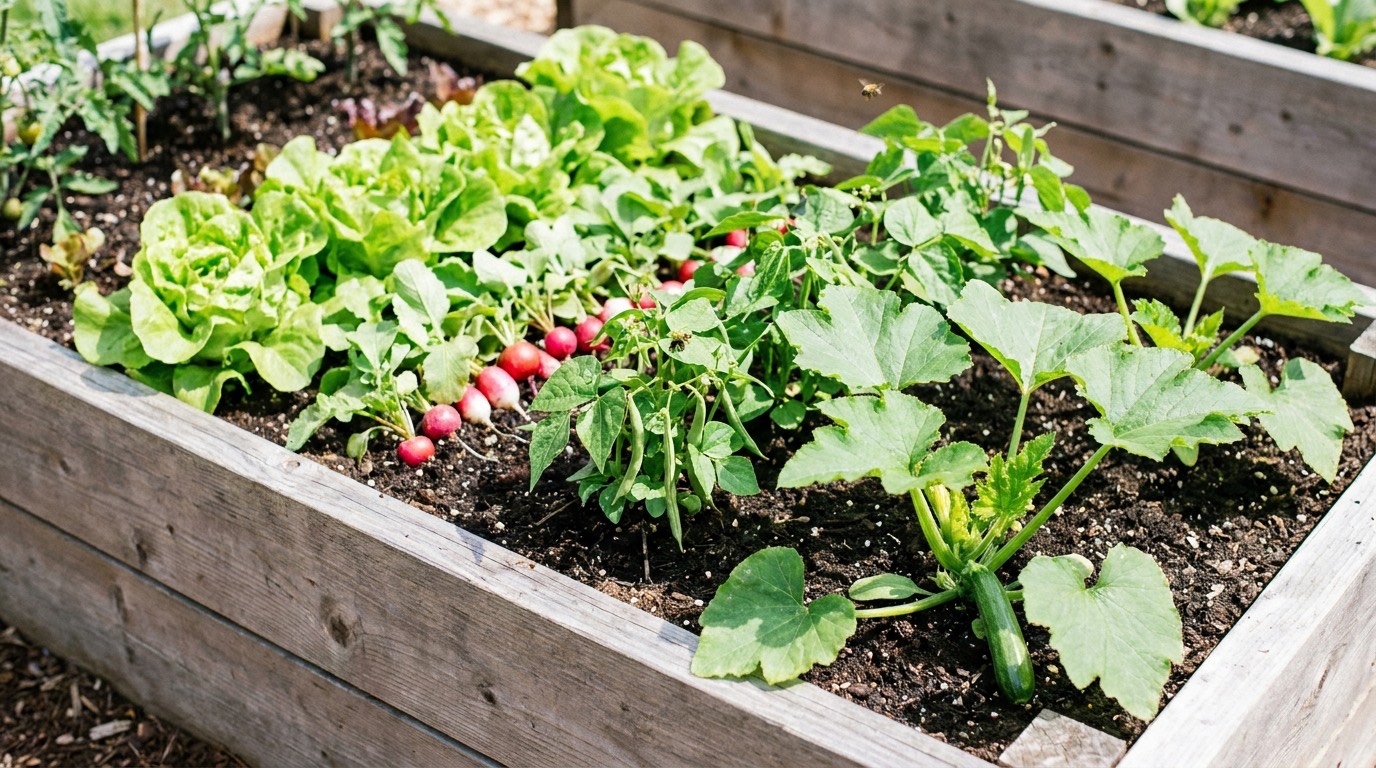
The fastest way to give up on gardening is to start with something fussy and watch it fail. The fastest way to fall in love with it is to grow something easy and eat the results. This list is all of the second kind — vegetables that are hard to get wrong, quick to reward you, and happy in a bed, a raised box or a pot.
One rule before you plant anything
Give your vegetables as much sun as you can — most want at least 6 hours of direct light — and don't let the soil dry out completely. Get those two things right and half the battle is won.
1. Lettuce and salad leaves
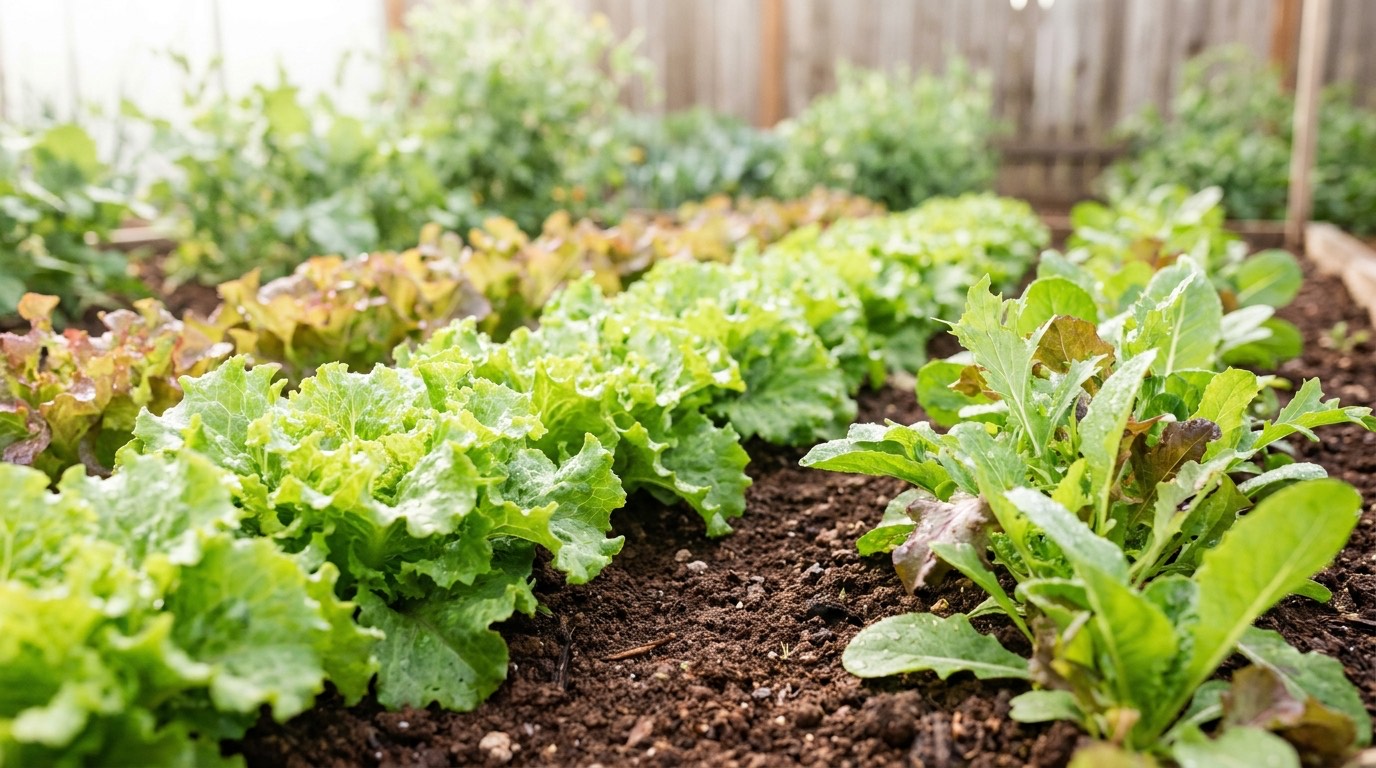 How to grow Lettuce
Salad leaves are the quickest win in gardening. Sow a short row every couple of weeks and you'll have cut-and-come-again leaves within a month. They tolerate part shade, grow well in shallow pots, and the more you pick, the more they produce.
2. Radishes
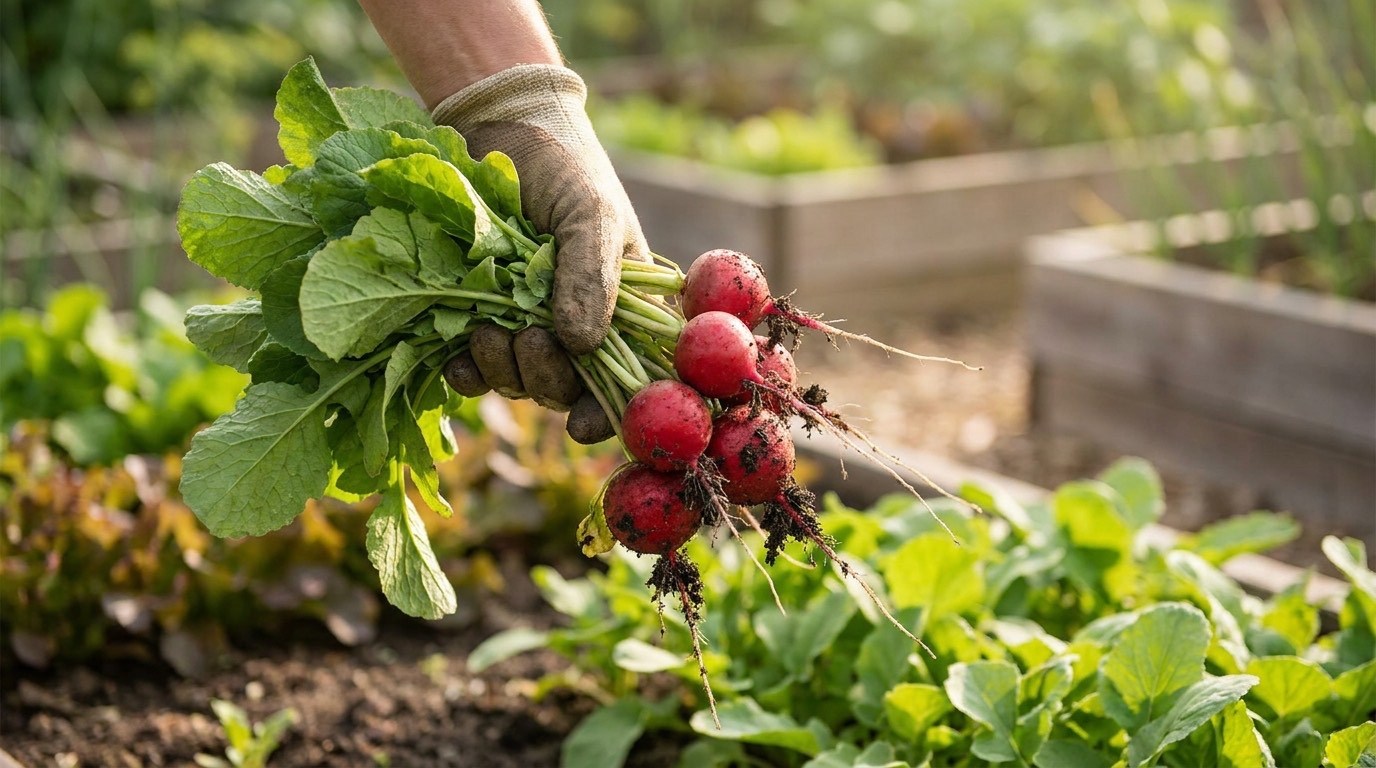 How to grow Radishes
From seed to plate in as little as four weeks — radishes are the impatient gardener's friend. Sow thinly straight into the ground, keep them watered, and pull them young and crisp. They're perfect for keeping kids interested, too.
3. Bush beans
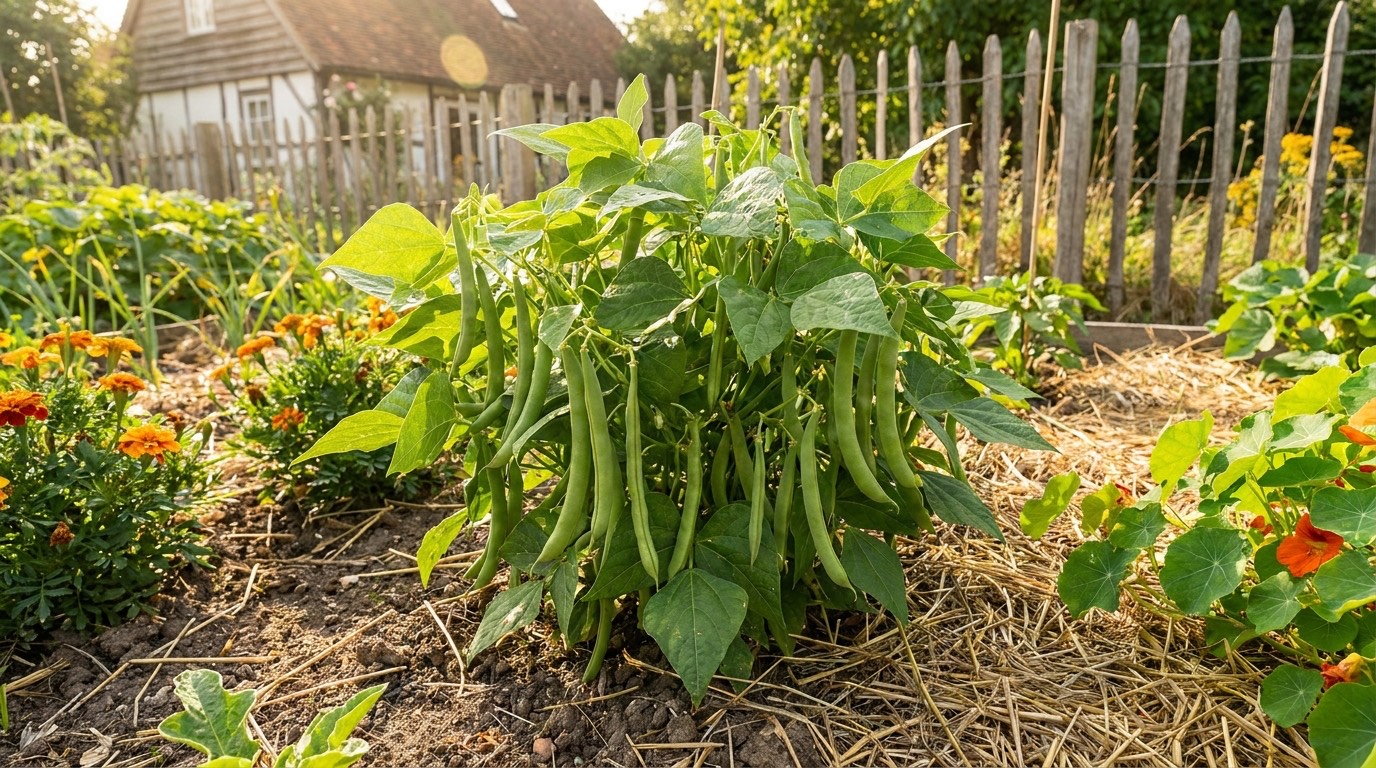 How to grow Bush Beans
Bush (dwarf) beans don't need staking, crop heavily, and actually improve your soil by fixing nitrogen. Sow after the last frost, keep them picked, and they'll keep producing tender pods for weeks.
4. Zucchini
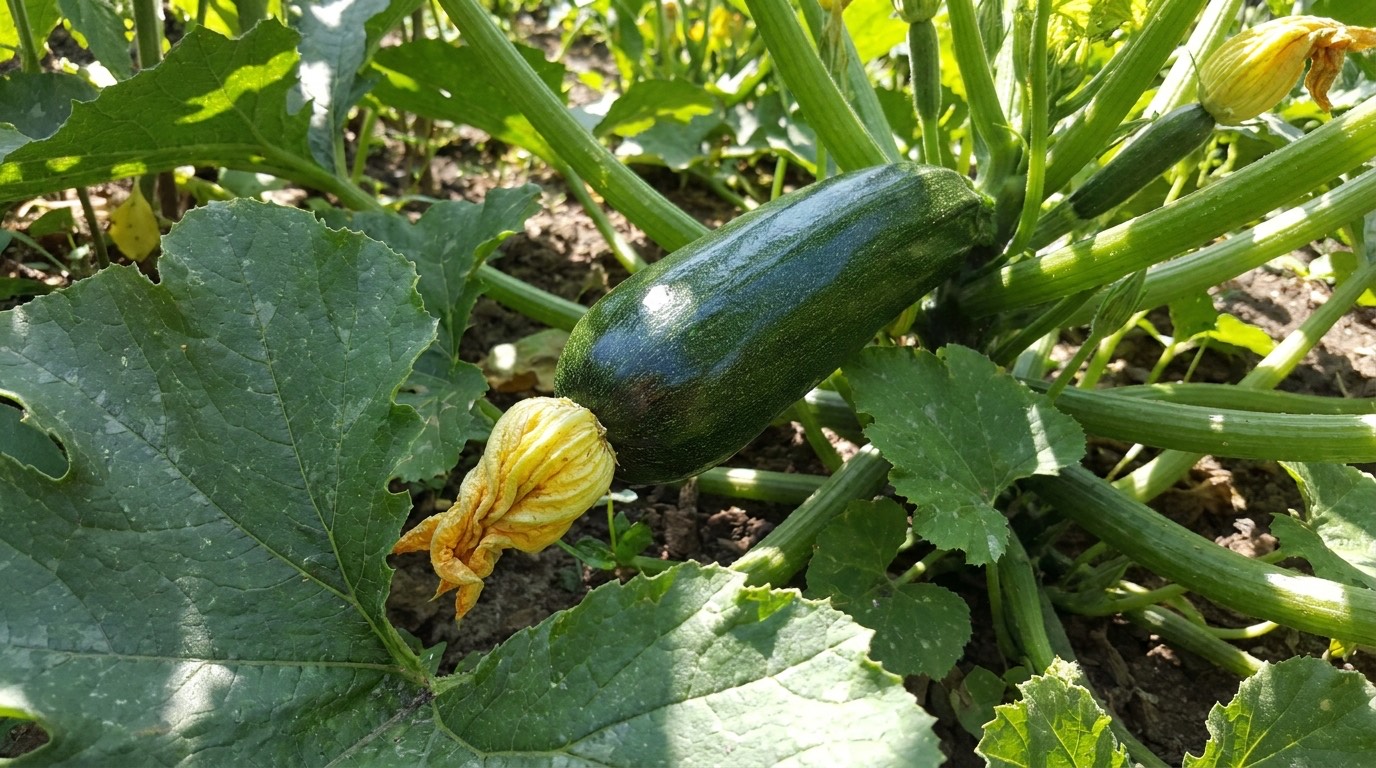 How to grow Zucchini
One or two zucchini plants will feed a household — they're almost comically productive. Give them rich soil, space and water, and pick the fruits young and often. The main "problem" with zucchini is having too many.
5. Green onions (scallions)
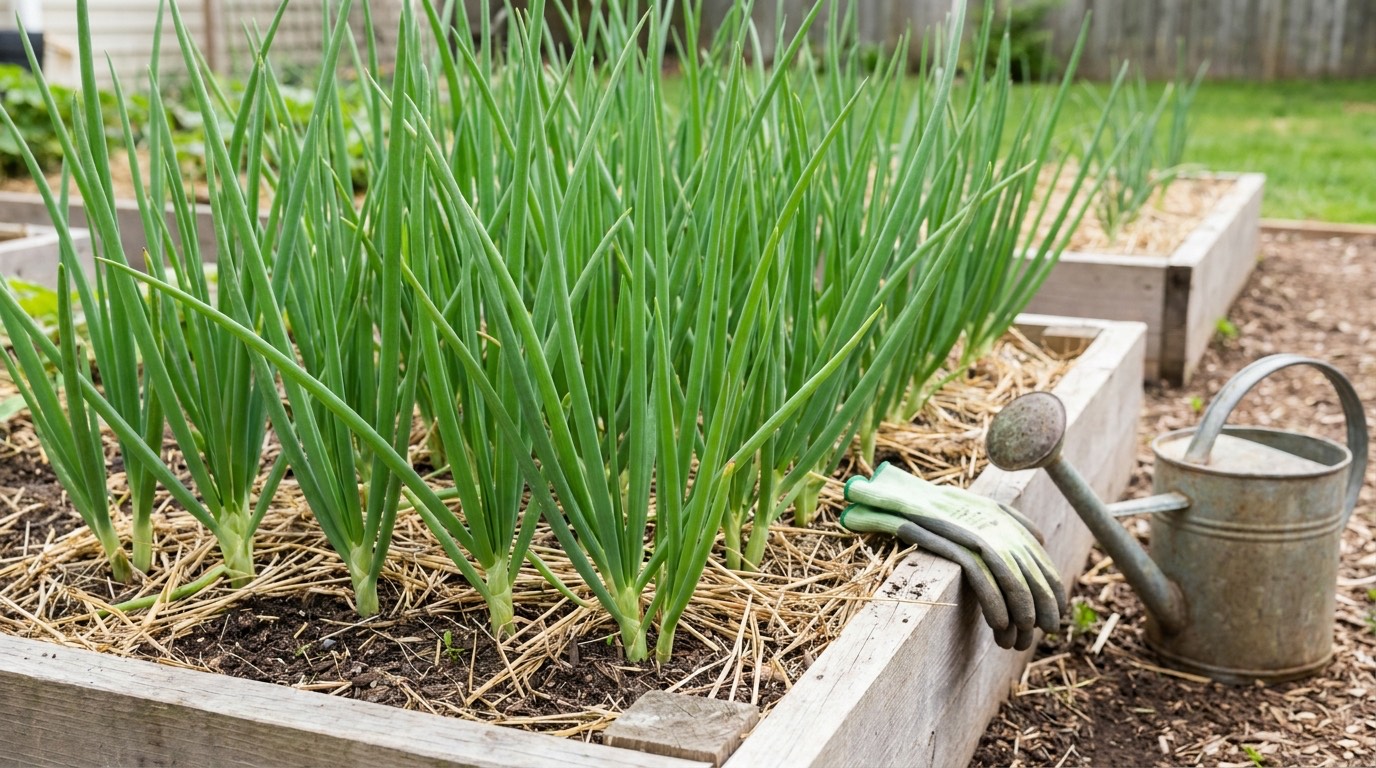 How to grow Green Onions
Green onions are undemanding, quick, and fit into the smallest gaps between other crops or into a window box. Sow in clumps, snip what you need, and they'll keep coming.
6. Kale and chard
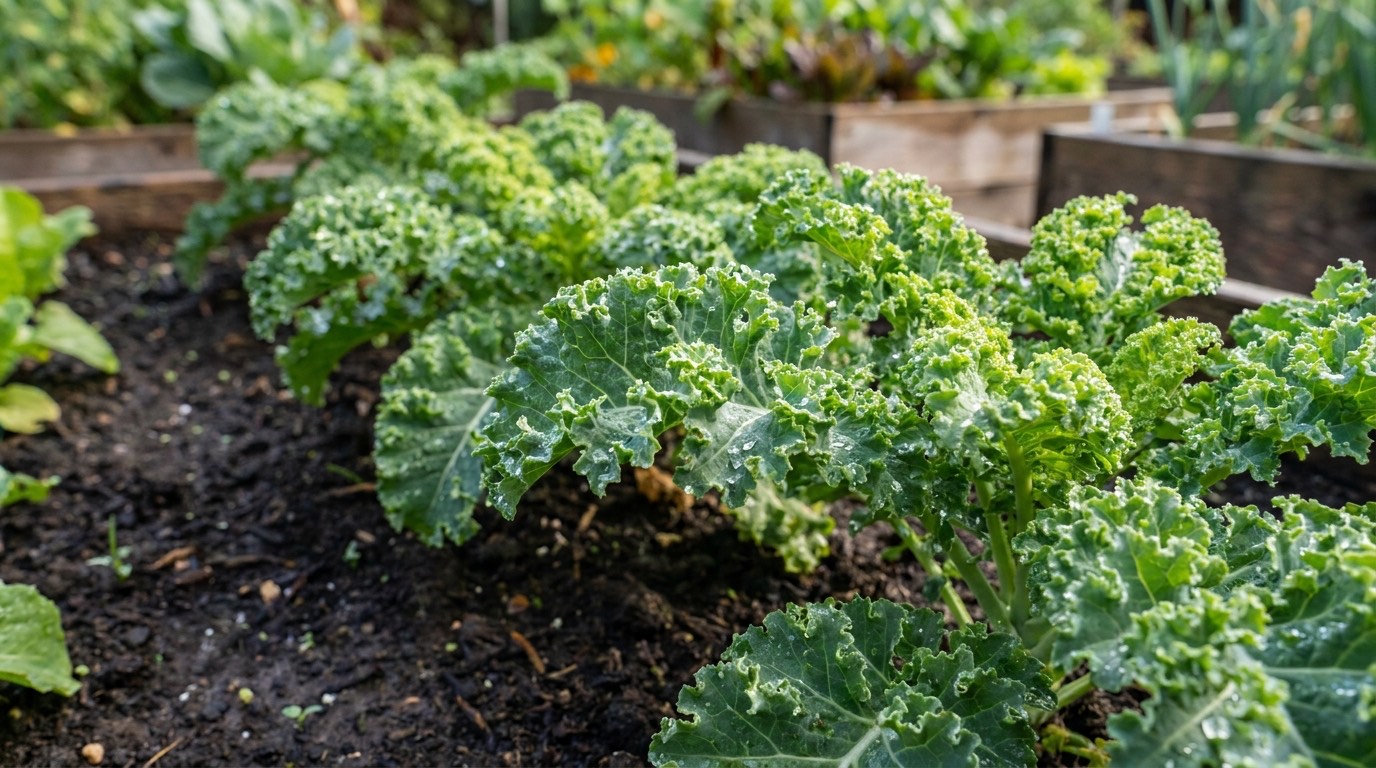 How to grow Kale
These leafy greens are tough, cold-tolerant and pick-as-you-go — take the outer leaves and the plant keeps growing from the center for months. Chard's colored stems make it pretty enough for a flower bed.
7. Peas
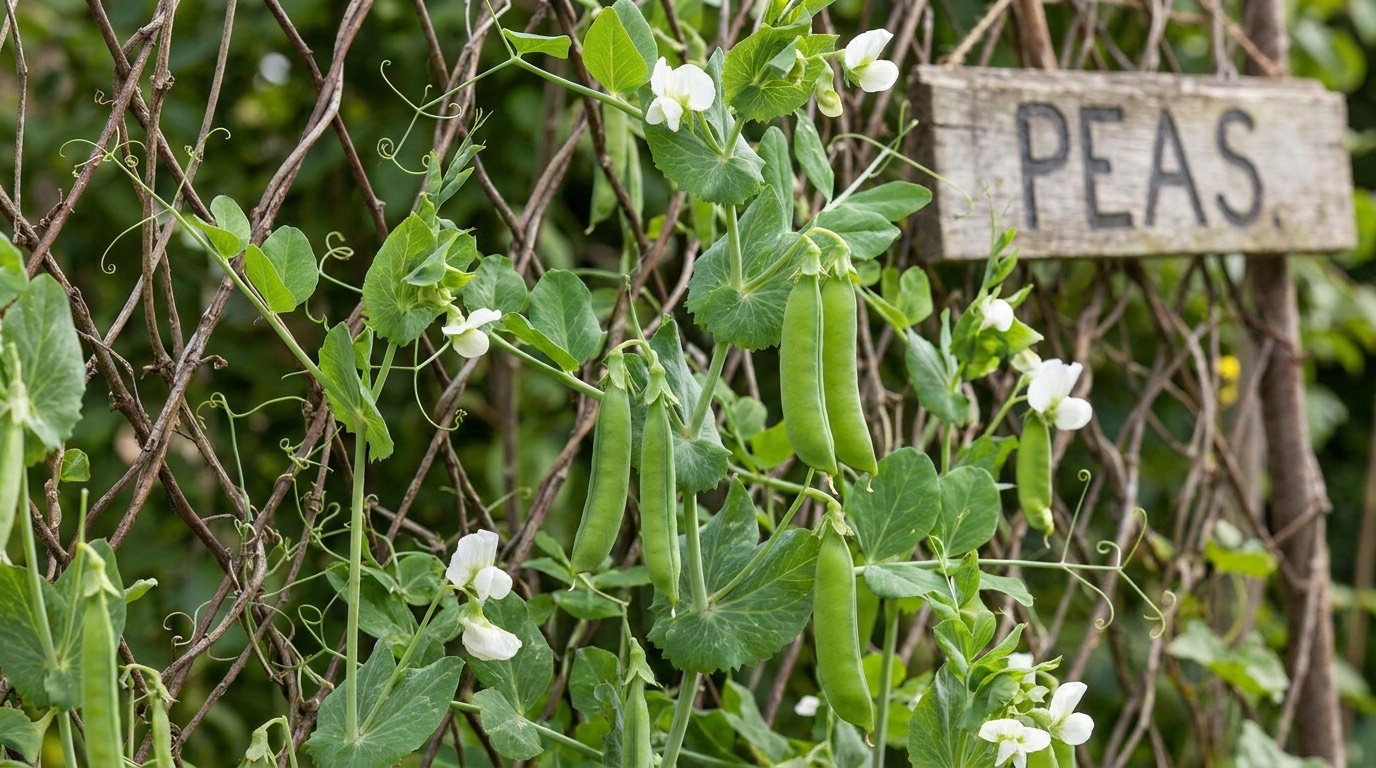 How to grow Peas
Few things beat a pea eaten raw in the garden. Peas like cooler weather, so sow early. Give them a few twigs or netting to climb, keep them watered as pods form, and pick regularly to keep them cropping.
8. Potatoes
 How to grow Potatoes
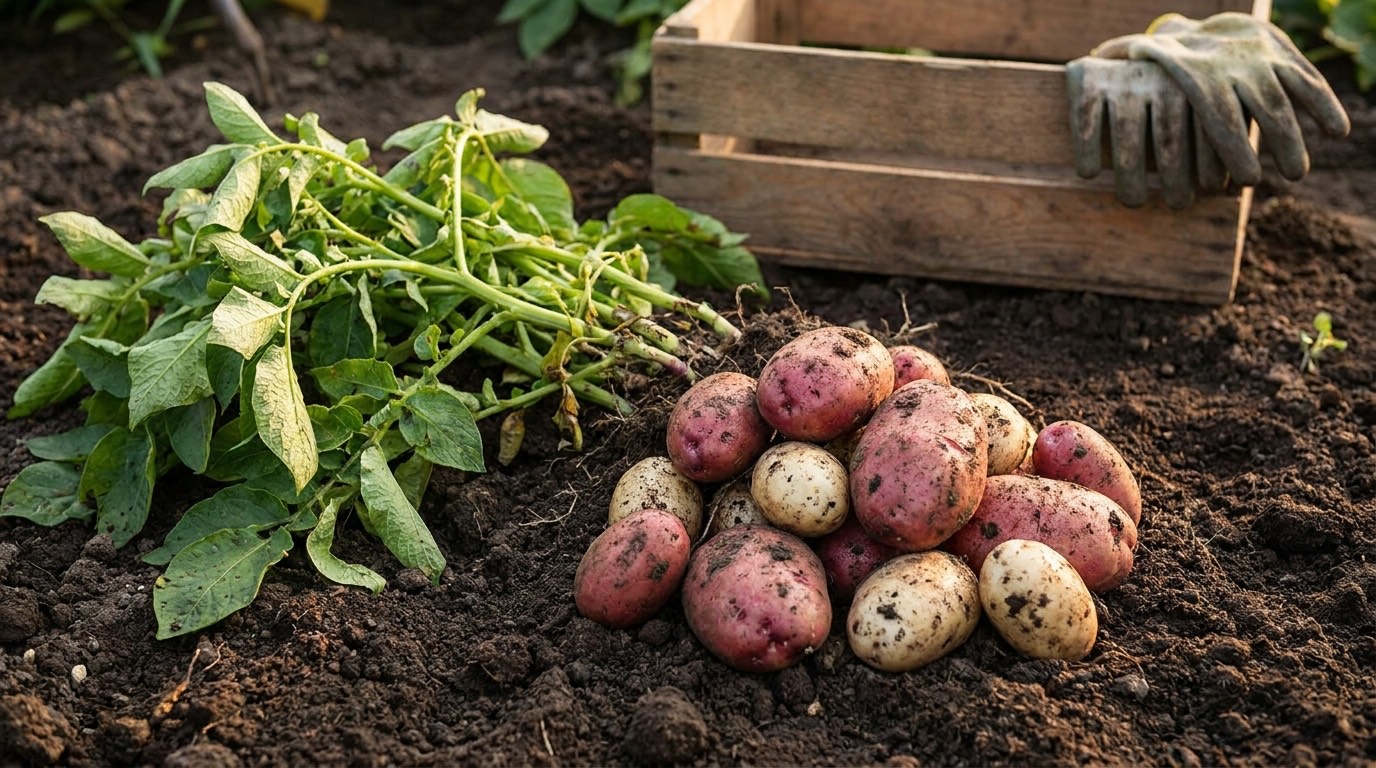
Growing potatoes feels like magic — bury a few seed potatoes, hill up soil around the stems as they grow, and dig up a hidden treasure of tubers months later. They even grow well in a large bag or bucket on a patio.
9. Herbs (mint, basil, parsley, chives)
 How to grow Herbs
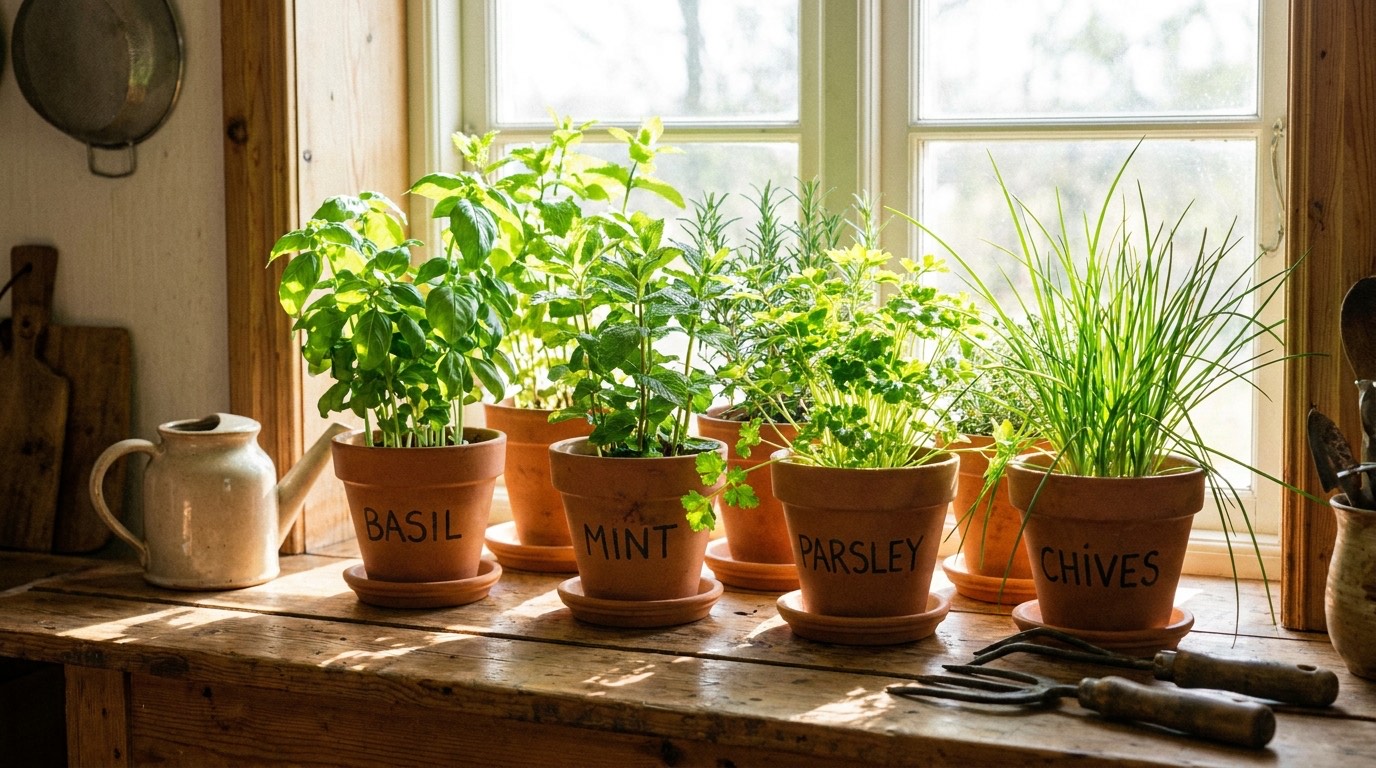
Herbs are expensive to buy and easy to grow. Most thrive in pots on a sunny sill. Mint is so vigorous it's best kept in a pot so it doesn't take over. A few herb pots by the kitchen door earn their space many times over.
10. Cherry tomatoes
 How to grow Cherry Tomatoes
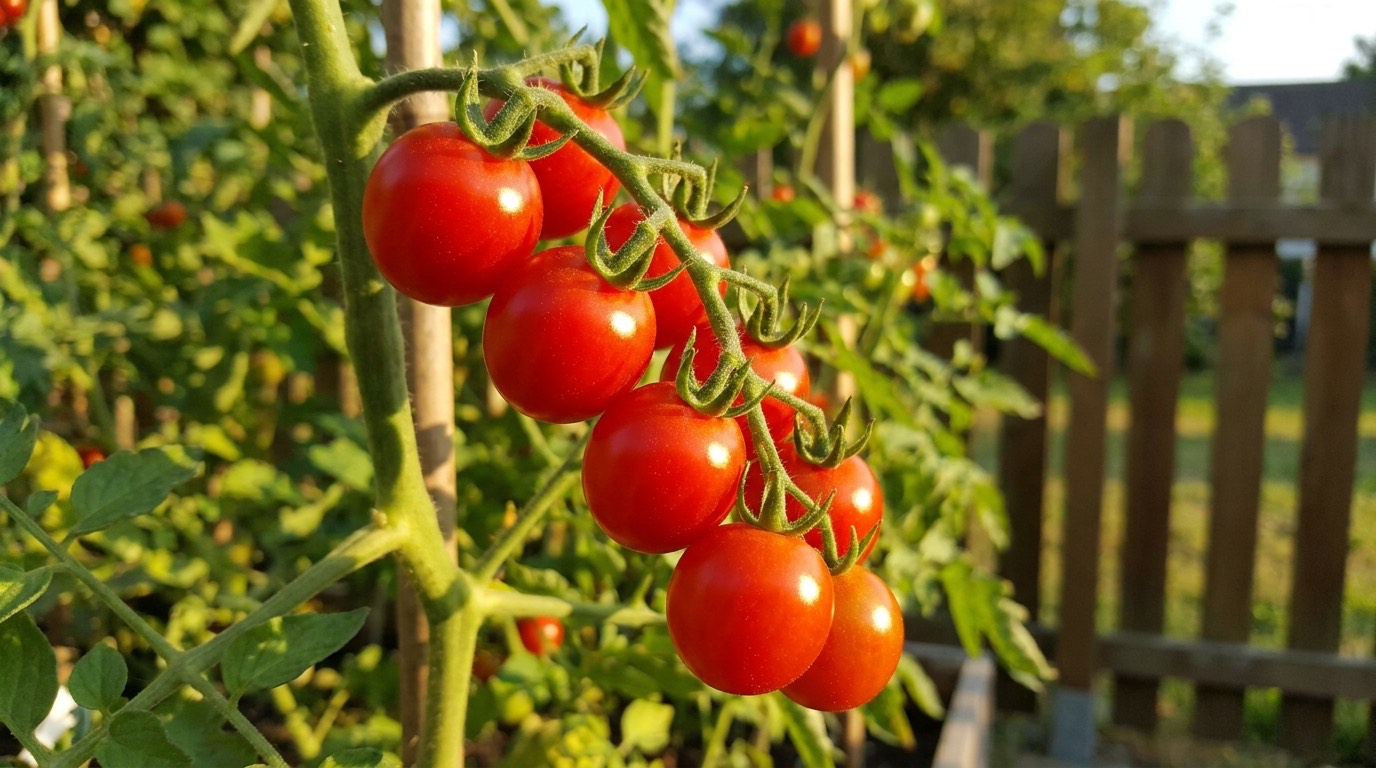
A single cherry tomato plant in a sunny spot will out-produce the store for months. They're more forgiving than large tomatoes and endlessly snackable. See our full tomato growing guide to get the most from them.
How to guarantee a good first season
- Start small. Three or four crops you'll actually eat beats a huge plot you can't keep up with.
- Sow in succession. A short row every two weeks gives a steady supply instead of a glut.
- Pick often. Most of these crop more the more you harvest — leaving them unpicked slows them down.
- Keep the water steady, especially in pots, which dry out fast.
What to skip for now
Some vegetables are worth waiting until year two: cauliflower and celery are fussy, eggplant and melons need long, reliable heat, and anything you have to start indoors months ahead adds complexity. Build your confidence on the easy wins first — you can always level up next season.
Frequently Asked Questions
What is the easiest vegetable to grow for beginners?
Salad leaves and radishes are the easiest — both grow fast, forgive mistakes, and can be sown straight into the ground or a shallow pot. Radishes can go from seed to harvest in about four weeks.
What vegetables can I grow with little sun?
Leafy crops tolerate the least sun. Lettuce, spinach, kale, chard, and most herbs will grow in about 4 hours of sun a day, though they still do best with more. Fruiting crops like tomatoes and peppers need full sun.
How many vegetables should a beginner start with?
Start with three or four crops you'll actually eat, in one bed or a few pots. A small garden you can keep up with beats a large one that gets away from you.